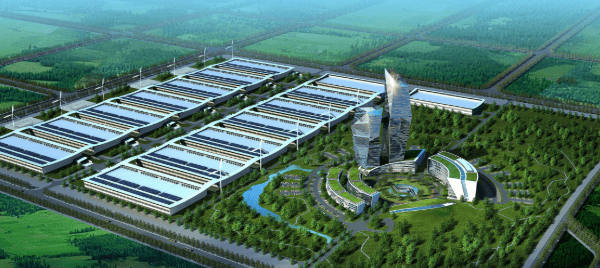
The future of data storage blends density, durability, and intelligence to support scalable ecosystems across edge, cloud, and caching layers. Advances in non-volatile memory, photonic interconnects, and energy-efficient compute will push data density higher while embedding robust error mitigation and lifecycle planning. Architectures will dynamically place compute and storage where most effective, guided by data-driven risk management and governance standards. The result will be resilient, cost-efficient platforms that evolve with governance and standards, inviting continued consideration of what comes next.
Where Storage Data Is Headed: Foundational Technologies and Goals
Storage data is trending toward architectures that blend dense capacity with agile accessibility, underpinned by advances in non-volatile memory, photonic interconnects, and energy-efficient compute.
The analysis centers on data density and durability metrics as core measures, guiding investment and design choices.
Results indicate scalable architectures, resilient lifecycle planning, and strategic roadmaps that empower freedom to innovate without compromising reliability.
The Pathways: From Density to Durability in Next-Gen Media
In a landscape where capacity and access must advance in lockstep, the pathways from density to durability in next-gen media map a disciplined trajectory: higher data density must be matched by robust longevity, reliable error mitigation, and predictable lifecycle performance.
Density resilience informs material choices, guiding strategies toward enduring materials durability, balanced with scalable architectures and transparent, data-driven risk management.
Freedom-enabled innovation endures.
Architectures That Mix Edge, Cloud, and Intelligent Caching
Architectures that blend edge, cloud, and intelligent caching are redefining data workflows by placing compute and storage where they are most effective, driven by real-time analytics and adaptive latency requirements.
The approach enables edge caching for local responsiveness, while cloud orchestration coordinates global policy and data coherence, unlocking scalable, resilient architectures and freedom to innovate without constraint.
How to Evaluate, Implement, and Future-Proof Your Storage Strategy
Could organizations truly align infrastructure with evolving workloads while ensuring cost efficiency and resilience as data volumes surge? Decision-makers evaluate metrics, standards, and vendors to form a resilient framework.
Implementations emphasize modular storage, data redundancy, and automation.
Future-proofing relies on continuous tuning, cloud–edge choices, and policy-driven governance, driving cost optimization while preserving performance, security, and freedom to adapt.
See also: The Future of Data Infrastructure
Frequently Asked Questions
What Are the Cost Implications of Next-Gen Storage Over Time?
The cost trajectory improves as next-gen storage scales, yet pricing models vary; scalability risks shape archival economics and capacity planning. Depreciation schedules and capital expenditure influence long term budgeting, while subscription vs ownership balances operational efficiency and freedom.
How Will Data Sovereignty Affect Global Storage Deployments?
“Data sovereignty will steer deployments” anchors strategy as nations enforce local data residency, shaping architectures. The perspective remains visionary and data-driven: global compliance requirements drive distributed storage, cross-border governance, and adaptive architectures, ensuring freedom while honoring jurisdictional constraints.
Can AI Optimize Storage Tiering in Real Time?
AI driven tiering enables can AI optimize storage tiering in real time? Yes, with real time optimization and latency aware defaults guiding data placement strategies, empowering freedom-seeking organizations to pursue visionary, data-driven architectures.
What Are the Environmental Impacts of Future Storage Tech?
Environmental benchmarking reveals future storage tech reduces energy intensity yet expands device lifecycles, while sparse supply chains demand resilience; paradoxes emerge as efficiency and throughput rise, guiding strategic investments toward sustainability, autonomy, and resilient, data-driven growth for society.
How Will Quantum-Resistant Encryption Be Integrated?
Quantum resistant encryption will be embedded via standardized post quantum key distribution protocols, enabling secure key exchange over open networks. Enterprises pursue scalable, auditable implementations, aligning governance with innovation, empowering freedom-seeking users through resilient, data-driven crypto infrastructure.
Conclusion
In a future where data flows like a living lattice, the storage stack evolves toward density, durability, and discernment. The path blends non-volatile memory, photonic interconnects, and energy-aware compute to place data where it performs best. Architectures weave edge, cloud, and intelligent caching into a resilient ecosystem, guided by governance and continuous tuning. As volumes surge, strategic risk management and standardized standards become the compass, steering scalable, secure, and future-proof data ecosystems through every transition.